

Do You Know How Smart Signage Helps?
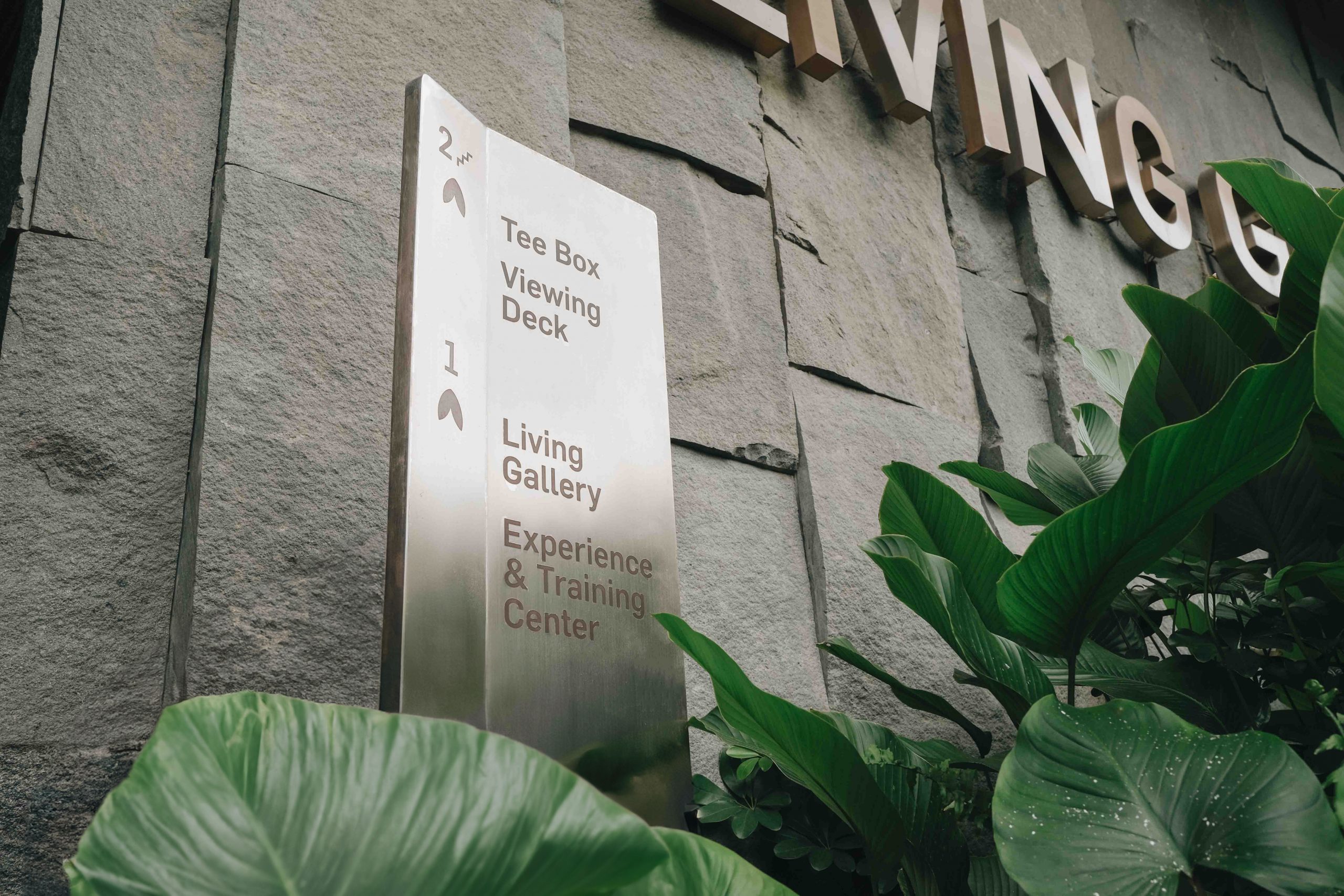
Newman-designed signage for Sequoia Hills
Source: Newman Documentation
You might have experienced it before. Stepping into a large, unfamiliar structure like a sprawling hospital or a busy airport, the immediate pressure to find a specific doctor’s room or race to a departure gate quickly turns your confusion into stress. This is precisely why effective wayfinding signage is essential. It serves as your dedicated helper that works tirelessly in the background, guiding every step with clarity. It allows you to move with confidence, quickly lowering your anxiety, and fundamentally shaping a positive perception of your entire experience within the space.
1. Helping People Feel Less Lost (and Less Stressed)
Imagine entering a busy public space for the first time, already unfamiliar with the layout. In moments like these, clear signage provides a quiet sense of reassurance.

Directional signage by Newman for Gaia
Source: Newman Documentation
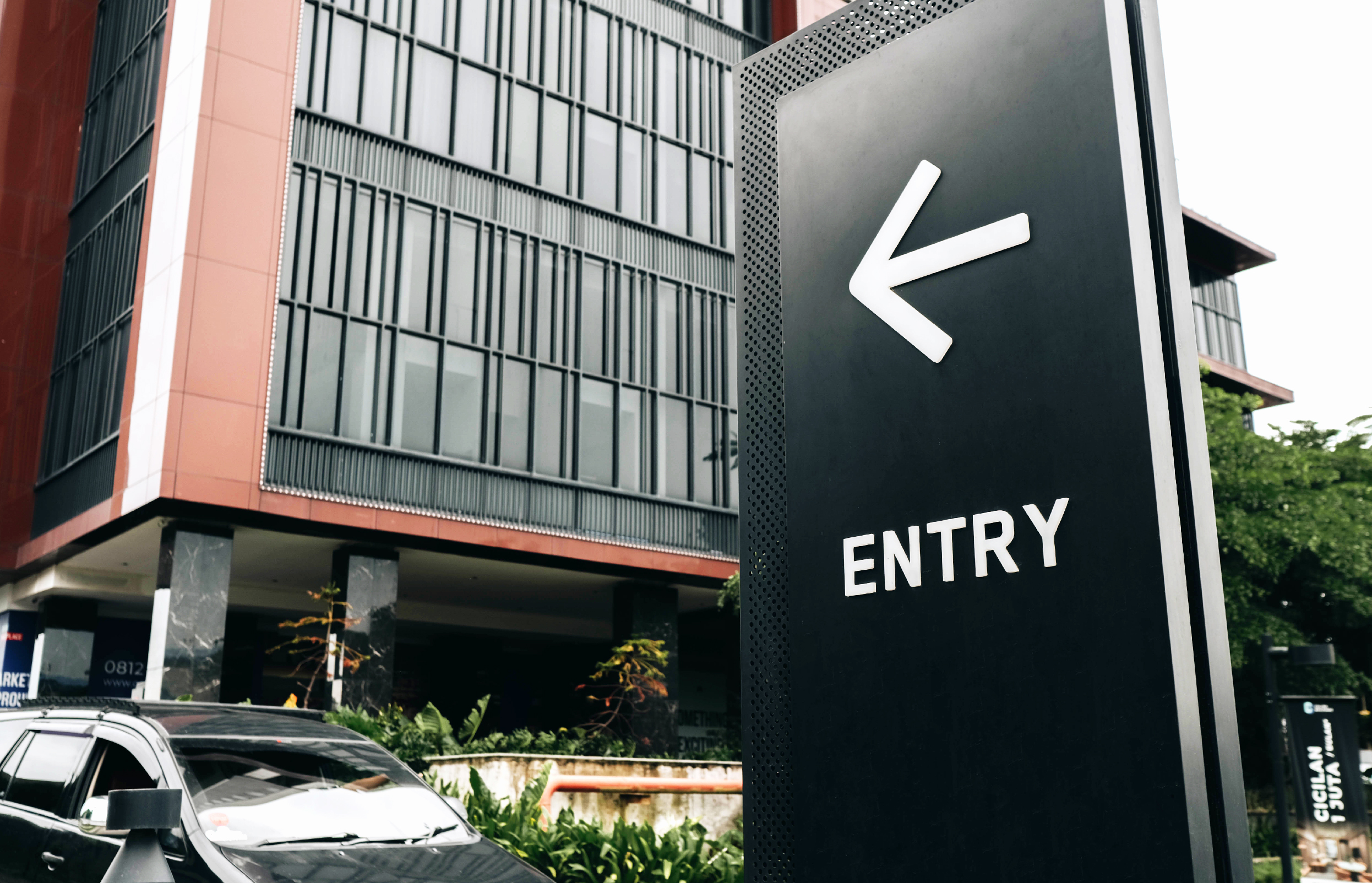
Simple cues such as color-coded floors, friendly arrows, and clear icons guide you naturally through the environment. Floor identification signs help you immediately understand where you are, so you don’t need to pause, retrace your steps, or ask for directions.
This clarity creates a meaningful impact. When you’re not second-guessing every turn, the experience becomes smoother, allowing you to focus on where you’re going rather than navigating the space itself.
2. Keeping the Flow Moving in Busy Spaces
In bustling public places, your experience doesn’t have to be overwhelming. When done right, smart wayfinding brings calm to the chaos. It builds a natural, easy rhythm that you can trust.
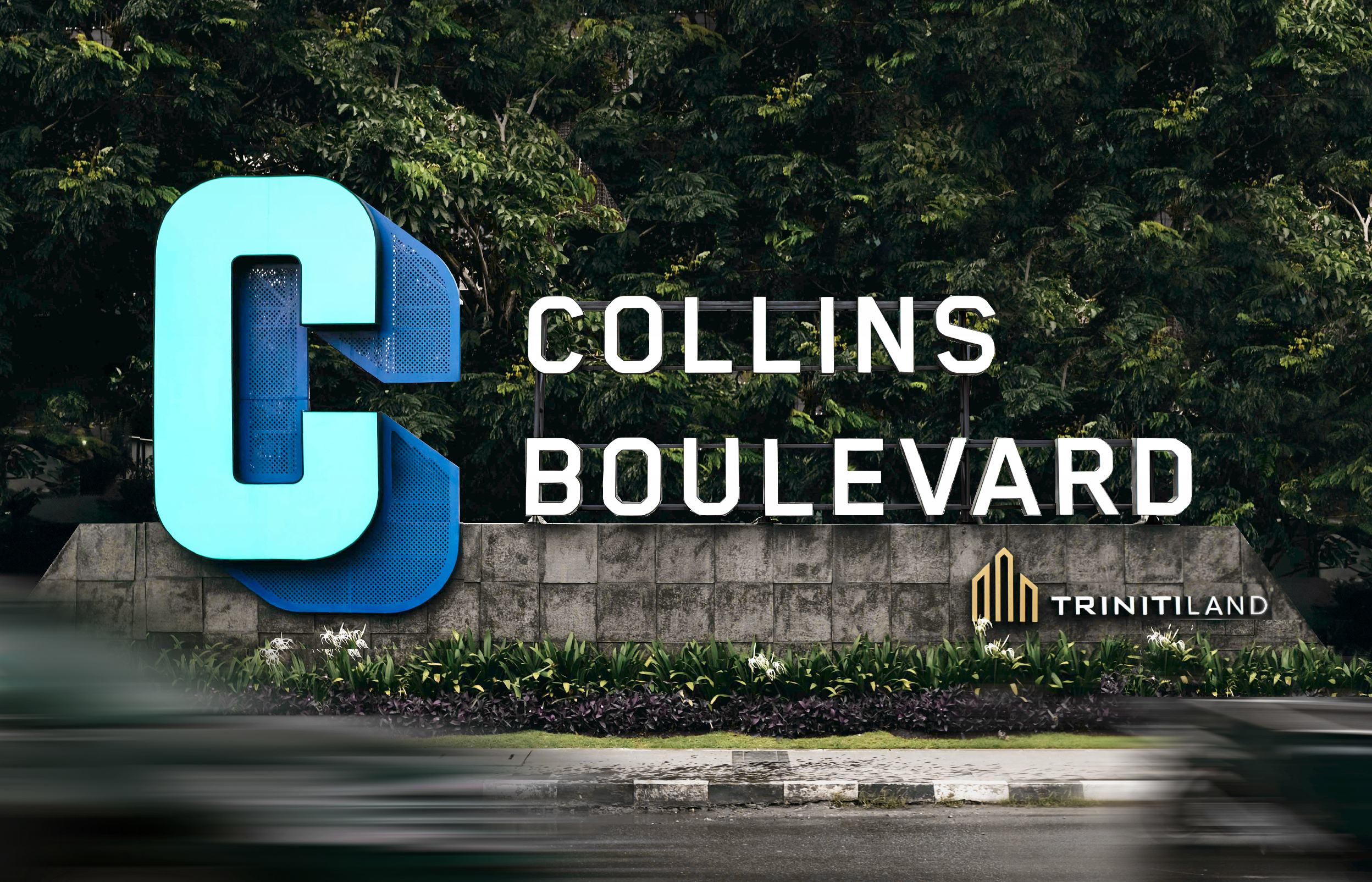
Clear Collins Boulevard signs that keep the flow smooth and intuitive
Source: Newman Documentation
You will see signs appear precisely where you need them to make a decision. The routes feel predictable, and directions are repeated consistently, so you are never left worrying you missed something important or might get lost.
3. Strengthening the Brand Experience and Building a Solid First Impression
Before you interact with anyone or see the facilities, you see the signage. Good wayfinding becomes your first indicator that a place is organized, thoughtful, and well-managed. Clean typography, consistent colors, and well-placed signs can instantly set a positive tone. Looks matter, but clarity speaks louder. When you feel that the building makes sense, you naturally trust the space more, and in airports or hospitals, that trust matters a lot.
Because signage is present throughout the space, it naturally becomes a significant part of a brand’s personality. When the design stays consistent in colors, materials, and tone, it tells a reliable story you instinctively sense and trust. Good signage makes the entire environment feel intentional and dependable, even when you are not consciously thinking about it.
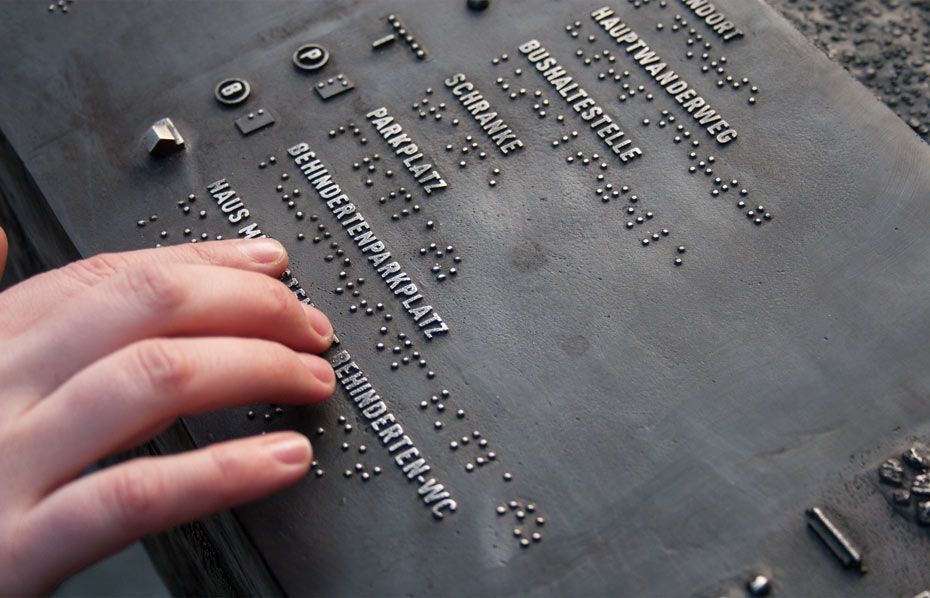
Braille application on signage as an example of inclusive design
Source: Braille-signage
A big part of great wayfinding is ensuring you can navigate comfortably. High-contrast text, readable fonts, well-designed pictograms, and logical routes help people of all ages and abilities move independently. In certain environments, tactile signs, Braille, and audio cues become essential additions that support everyone’s ability to move with confidence.
Source: Newman Documentation
Source: Newman Documentation
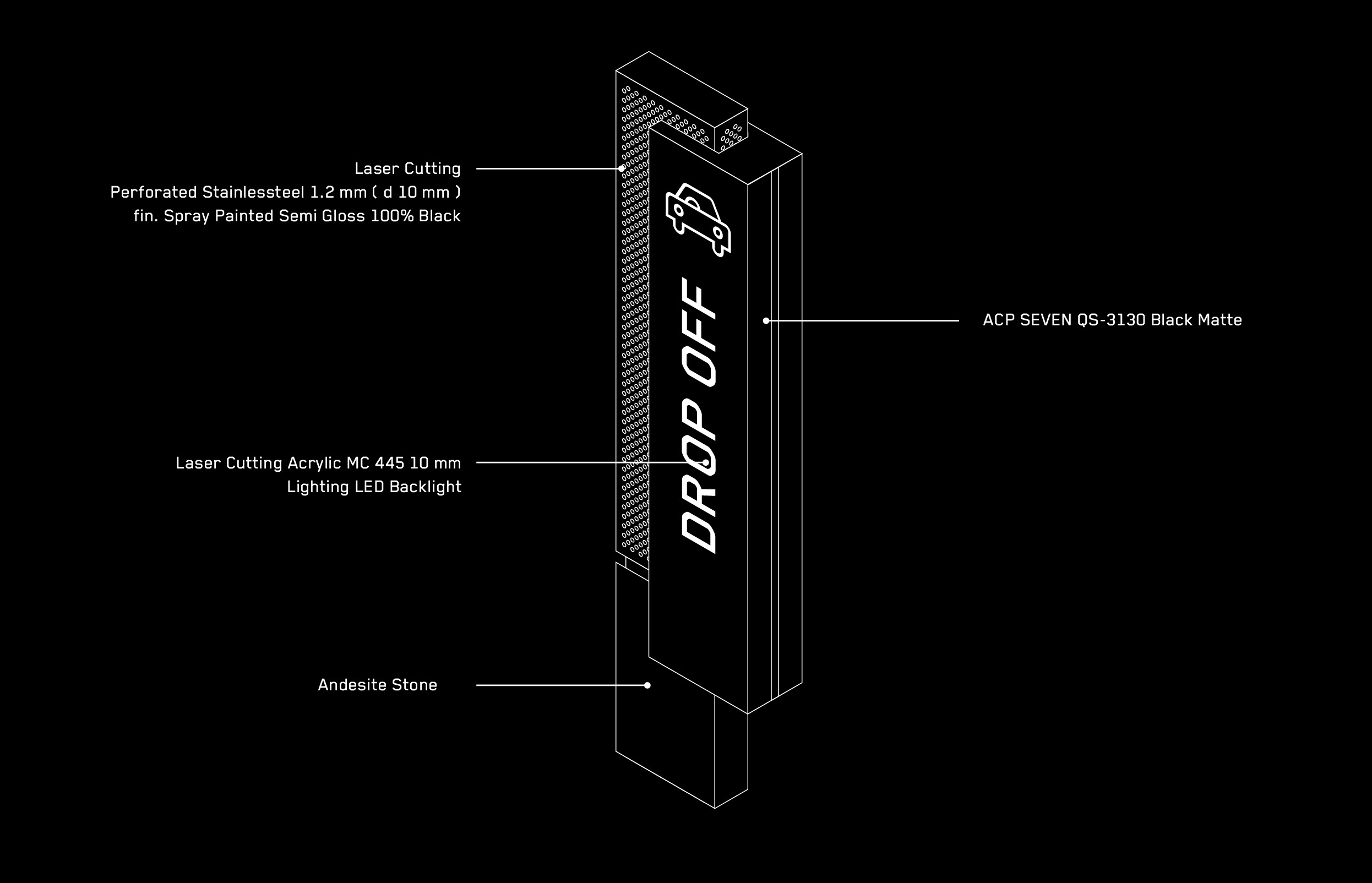
This belief guides our own design work, as seen at Collins Boulevard where Newman crafted a modern, simple, and welcoming system using beautiful materials like andesite stone and textured stainless steel. These functional elements quietly support the space while instantly elevating the atmosphere, proving that these thoughtful details absolutely shape how people feel from the moment they first walk into your building.